The pressure on the metalworking industry to become more sustainable is increasing. From construction to mechanical engineering, customers are increasingly demanding that their suppliers take responsibility for the ecological impact of materials. But how can metalworkers respond to this in concrete terms without compromising on quality or delivery reliability?
thyssenkrupp Materials Belgium offers a clear answer: a growing range of CO₂-reduced materials, including the leading bluemint® steel from thyssenkrupp Steel Europe.
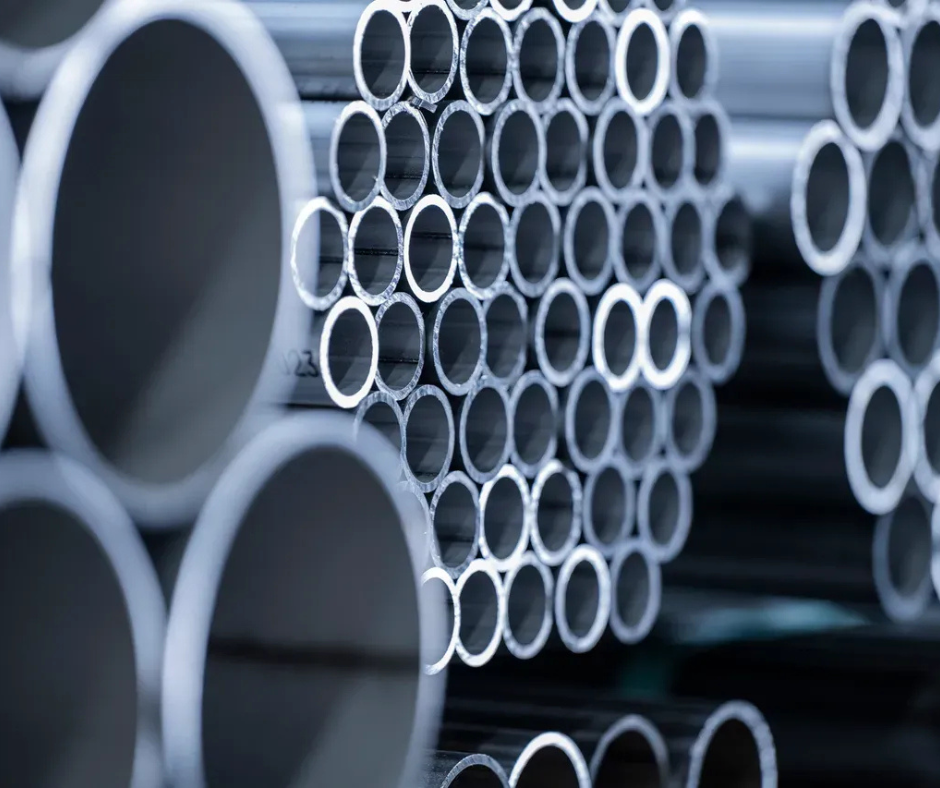
Sustainable material, without compromise
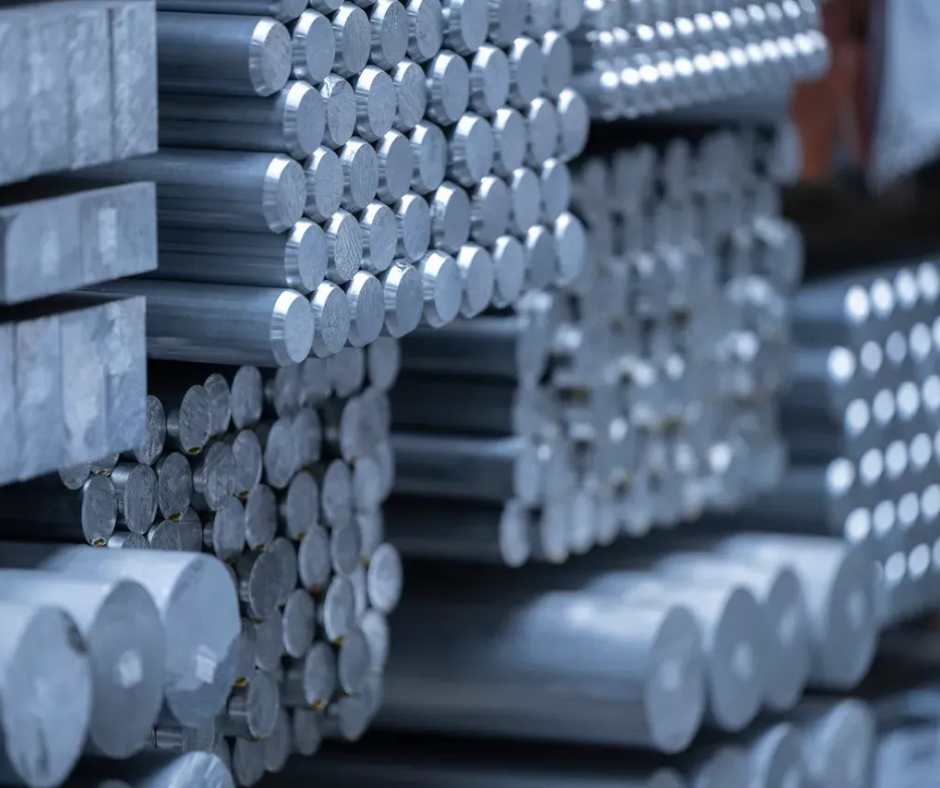
The principle is simple: by using innovative production processes – such as the use of recycled raw materials and the reduction of coal in the production process – suppliers such as thyssenkrupp are able to drastically reduce CO₂ emissions per tonne of steel.
These materials are not only available in different qualities and dimensions, but are also:
Certified according to international standards (including DNV, TÜV Süd, Greenhouse Gas Protocol)
Compatible with existing metal processing procedures
Transparently traceable, with clear CO₂ reduction values per product
This enables metal companies to measurably reduce their scope 3 emissions – without compromising on performance or delivery reliability.
bluemint® steel: leader in CO₂ reduction
One of the most striking examples from the range is bluemint® steel. By partially replacing iron ore with recycled steel and reducing the use of coal, this product achieves up to 64% CO₂ reduction compared to traditional steel.
The bluemint® range includes S355MC plates – a type of steel with an excellent strength-to-weight ratio, suitable for structural applications, mechanical engineering, transport and infrastructure. The plates are available from stock and can be decoiled to size, making them easy to use in a wide range of production processes.
“With bluemint® steel, we want to offer a concrete solution for companies that want to reduce their ecological footprint without compromising on quality or delivery time,” says Peter Henne, Managing Director of thyssenkrupp Materials Belgium.
Building a greener chain together
CO₂-reduced materials are no longer a thing of the future – they are available now, and thyssenkrupp Materials Belgium actively supports customers who want to integrate them into their production or quotation policy.
In addition to steel, aluminium products, stainless steel and other materials with a reduced carbon footprint are also offered, with clear information about the environmental impact per product category.
In short: whether you are working on sustainable procurement, aiming for a lower Total Cost of Ownership or simply want to reduce your environmental impact – CO₂-reduced materials provide the right foundation.
👉 More information:
https://www.thyssenkrupp-materials.be/nl-be/duurzaamheid/duurzaamheidsoplossingen/co2-gereduceerde-materialen